What are Human Rights?
Human rights are constantly rising up into debatable and hot topics in society, leading to complexity and difficulties in having people understanding the issue of human rights.
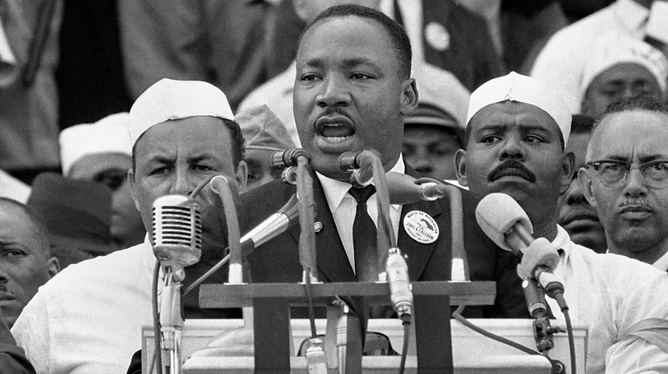
To keep it simple, in theory, human rights are universal freedoms and protections everyone should have and be entitled to regardless of race, gender, identity, wealth, or nationality. These include the right to free expression, safe living, access to education and fair working conditions, and equal treatment under the law. However, in reality and in practice, these rights are constantly being threatened and endangered, and not completely followed. In every part of the world, there are certain communities that are still fighting for these basic needs of recognition, protection, and enforcement.
In general, globally, human rights are in situations of facing a crisis. For example, in Gaza, entire neighborhoods have been reduced due to the experiences of war, severe shortages, and lack of basic necessities like water, food, and medicine. In Iran, women continue to be arrested and face violent activities for not wearing a hijab. In Sudan, armed conflict has displaced over 10 million people since last year. All in all, these are not isolated events or a coincidence. They are all connected to a pattern of where power dynamics and systems take rights away from those who have the least protection, especially women, minorities, migrants, and people who face financial problems.
This is where inequality explains all of these problems. It isn’t just about money, but it’s more about access to justice, education, healthcare, safety, and having a voice. Whether it’s racial inequality in the U.S. criminal justice system, caste discrimination in India, or the climate crisis, inequality continues to create a definition of who gets to live freely and who doesn’t.
South Korea also experiences these issues. While the country ranks high in technological innovation and economic growth, human rights challenges still remain, especially for marginalized communities.
In Korea, same-sex relationships aren’t yet legally recognized. LGBTQ+ individuals face strong social stigma, workplace discrimination, and family rejection. In schools, queer students tend to often feel invisible or unsafe. There isn’t an anti-discrimination law present that protects them. Groups like the Korean Sexual Minority Culture and Rights Center and Chingusai (Between Friends) are advocating for policy change, but there are still debates and difficulties in consensus, especially from conservative lawmakers and religious groups.
Gender inequality is also another issue. South Korea has had one of the largest gender pay gaps in the OECD for years. Despite high rates of education among women, few are in executive or political positions. After the peak of the #MeToo movement in 2018, hundreds of cases of sexual harassment and assault were exposed across entertainment and government. And yet, legal action remains slow, and further protections and consequences are still weak. The recent digital sex crime cases involving spy cameras and online exploitation only further highlight the structural gaps in how women’s rights are defended; while this has taken the step toward improvement, it is still prevalent in South Korea.
Migrant workers in Korea, many of whom are from countries like Vietnam, the Philippines, etc, face harsh conditions, language barriers, and a lack of legal protection. Under the Employment Permit System, many are tied to one employer and risk deportation if they leave due to abuse or mistreatment. Reports of poor housing, withheld wages, and physical abuse are common. NGOs like the Seoul Migrant Worker Center and Amnesty International Korea are working to improve labor laws, but progress is slow.
Still, young people, youth in Korea, are stepping up. For example, university student groups have held forums and demonstrations to demand an anti-discrimination law. Youth climate activists have organized climate strikes, pushing the government to act on carbon emissions and environmental justice.
Platforms like Youth 4 Change and groups like Hidden Figures are giving Korean students space to speak, organize, and build alternatives. High school students have also taken up issues of school violence, education inequality, and mental health through student councils, activism, and service activities.
Real change often begins with small, local actions when students discuss and challenge school rules and when they post information to spread awareness to people on social media. In order to fight for human rights or no matter what kind of global issue it is, it is important that each one of us takes action and collaborates together to make a better world. Don’t think big, start with small things, and that will build up to a bigger scale.